


(Not sponsored — just sharing something that genuinely saved me.)
I never imagined that I would be writing this…
After spending most of the summer fighting a horrific legal battle with someone I thought I would spend my life with, I had to leave my “forever” home — the one I poured my heart and soul into, and I moved into a hotel. It was supposed to be three days. It became two weeks.
On paper, I looked like I was functioning. In reality, I was frozen — completely shut down. My body was in survival mode. The day we were supposed to travel, I had a full autistic meltdown. Just the thought of the airport — the crowds, the noise, the lights — felt unbearable. My stepdad left with half of my luggage. I stayed in London with my mum, in that same hotel room that had slowly become a prison.
At first, I thought it was just anxiety. But when I tried to walk to the park the next day — 500 metres away — I nearly fainted. That’s when I realised that my ME/CFS was also flaring.
I was stuck in a London hotel room, intolerant of food, noise, movement or light. Looking back I see how terrified I was. The experience was deeply traumatic. That’s why it’s taken me so long to write it down…
I didn’t know how I was going to make it to my parents’ house. I knew I had to figure something out. I couldn’t live in a hotel forever.
There were two London airports offering flights to my destination. I began researching which would be more autism-friendly and accessible for chronic illness. I booked a flight with special assistance that seemed easier to navigate. But on the day of that flight, my body shut down. Catatonic. Flight canceled again.
In a haze of tears and after a session with my psychiatrist, the term medical repatriation came into view.
Medical repatriation — something I had always associated with people who were gravely ill. But what about people like me? People with severe mental and physical exhaustion who still need to get home safely?
A private terminal that changed everything
My insurance company refused full medical repatriation. So I did what any desperate neurodivergent person does: I asked ChatGPT every possible question to find a way out of the impossible.
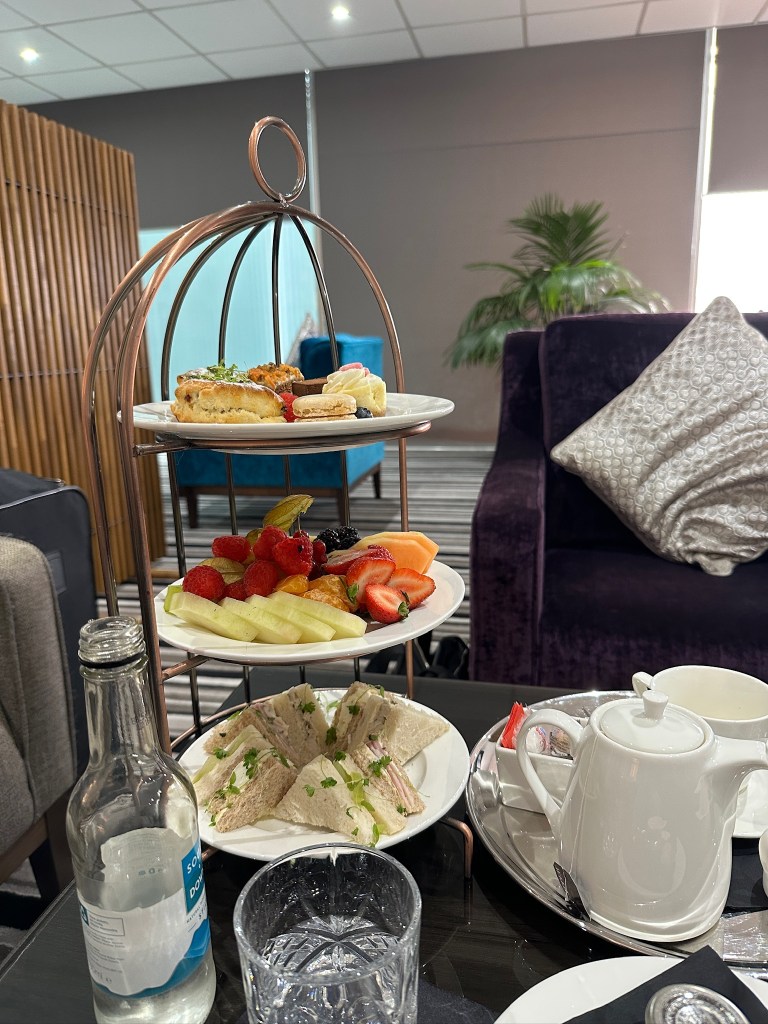
That’s when I discovered the Signature Elite private terminal at Gatwick Airport — a service that allows anyone (regardless of airline or class) to bypass the chaos of the main airport terminal.
No queues. No fluorescent lights. No sensory overload.
You wait in a quiet lounge where staff check in your bags, bring you food and drinks, and handle everything while you sit in a calm, controlled space. Then you go through private security and are chauffeured directly to the plane.
It’s not cheap, but if you’re autistic, chronically ill, or in a mental health crisis, it’s a lifeline. It was the first time in weeks that I felt a small bit of safety again.
The angel in the sky: SkyCare Repatriation
Even with the private terminal booked, something still didn’t feel right. The idea of being 30,000 feet in the air with no medical support filled me with panic.
So, less than 24 hours before the flight, I searched for medical repatriation services for chronic illness and mental health.
That’s when I found SkyCare Repatriation.
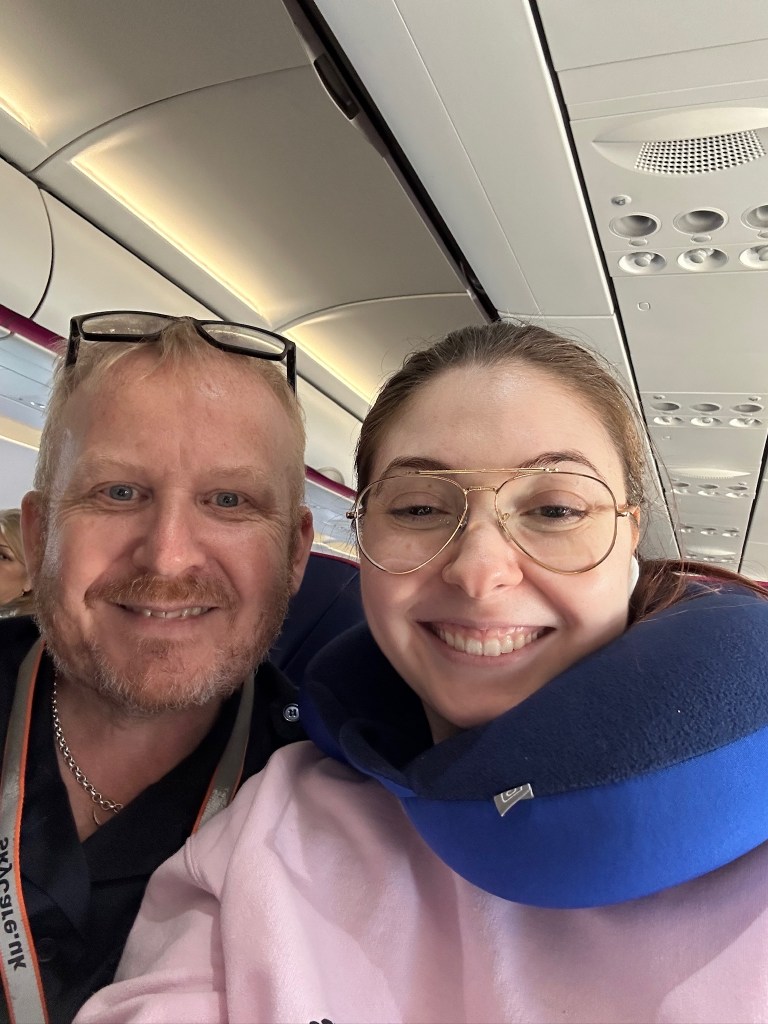
When I called, Craig, the founder, picked up. He listened to my story and immediately started looking for someone in his team who could fly with me. When he couldn’t find anyone available, he offered to come himself.
He said, “I can’t leave someone who’s asked me for help behind.”
That sentence alone made me feel safe and looked after.
It’s not just a flight. It’s a safe passage when everything else has failed. Craig’s kindness, professionalism and empathy turned a terrifying journey into one of the easiest I’ve ever made. When I’d stopped believing in miracles, one walked in the form of that call and that card he sent once I landed.
What I wish I’d known (and what you should know)
You are allowed to demand safe travel when your body and mind cannot cope with “normal” travel.
Private terminals and medical repatriation services may look like unnecessary luxury—but in the right context they are life-saving luxuries.
Research airports and services ahead: check for autism-friendly / chronic illness-friendly options, special assistance, quiet areas, lounges, private terminals.
When the body screams “no more”, listen. Listening to your body is not weakness. It’s wisdom.
It’s worth asking for support. Just asking for info from SkyCare and Signature ELITE can make a difference, plus you’re not obligated to pay anything until you’re sure.
For anyone stuck between survival and freedom
If you’re reading this from a hotel bed, unable to move — please know that I see you.
You are not lazy. You are not broken. You are navigating a world that isn’t built for bodies and minds like ours.
Sometimes the universe works through other people — through a kind stranger, a helpful employee, a company like Sky Care Repatriation — to remind us that we’re not alone.
If something is meant for you, it will find its way to you.
Even if it has to fly across continents to get there.


 Somebody's Diaries
Leave a reply to somebody’s diaries Cancel reply